

Selected Work
Software We've
Shipped
A small portfolio, by design. We take on a few engagements a year so we can stay close to the work. Two we can talk about publicly are below.
Connected Business Software
Client: Cornerstone Funeral Home. One platform for a relationship-driven business that had outgrown the standard industry stack.
Client Brief
Replace a website nobody could update, marketing spend nobody could measure, family communication living in inboxes, and scheduling and intake on paper, with one system the staff could actually run. Respect the dignity of what a funeral home does: nothing generic, nothing that felt like off-the-shelf software.
What We Built
- Family and client records, with at-need and preneed arrangements
- A family portal for documents, arrangement status, estimates and messages
- A custom public website managed from the platform, including obituaries
- Documents generated from templates in Word, Excel and PDF
- Estimating and pricing
- AI reading of vendor invoices, with staff approval
- QuickBooks integration for customers, invoices and deposits
- Staff time tracking for payroll
- Marketing tools that apply the firm’s brand voice to every AI-assisted draft
- Grief support, anniversary and preneed email programs
- Community Partners Network: Support the Family
- SEO audits, Search Console and Google review data
- Campaign report cards at 30, 60 and 90 days
- A daily queue of marketing drafts waiting for approval
- One database underneath all of it
What We Like About It
A funeral home is the kind of business where the relationship is the product. The software's job is to take the busywork off the staff so they can be present with families.
That constraint shaped the design: no notifications fighting for attention, no engagement loops, no dashboards that don't earn their place. Drafts wait for a person to approve them.
A Look At The System
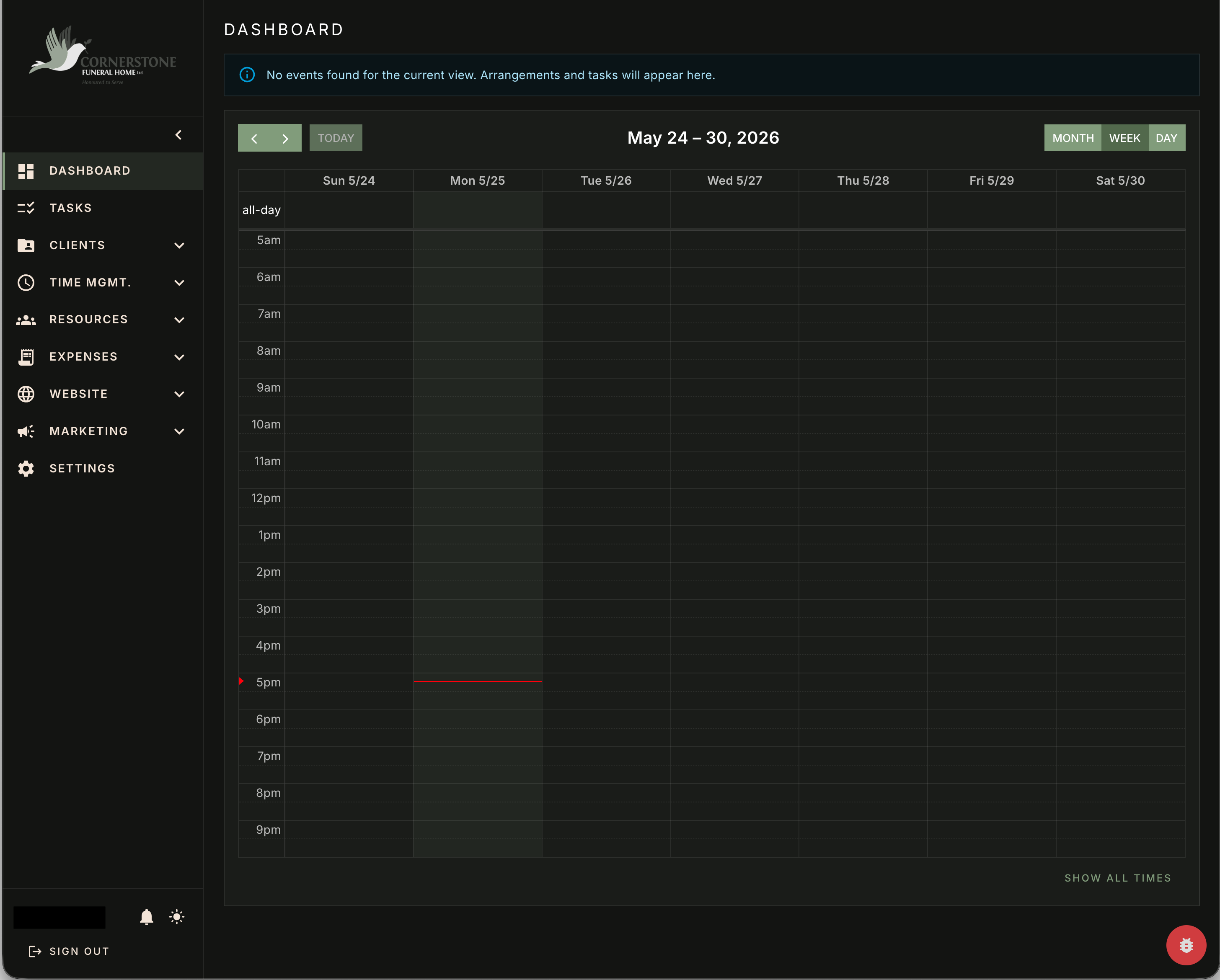
The Staff Portal
The internal modules belong to the client and aren't shown. The public site is at cornerstonefuneralhome.com.
Wander
Client: Wander. A production mobile app we took from a blank page to the App Store: design, mobile app, backend, data pipeline, marketing site and store submission.
One Codebase, Two Platforms
Wander is built on React Native and Expo with TypeScript, so one codebase produces a genuine native app for both iPhone and Android, not a website in an app shell. People get native performance and full access to the device: GPS and background location, camera and photo library, contacts, motion sensors, haptics, encrypted on-device storage and push notifications.
Under The Hood
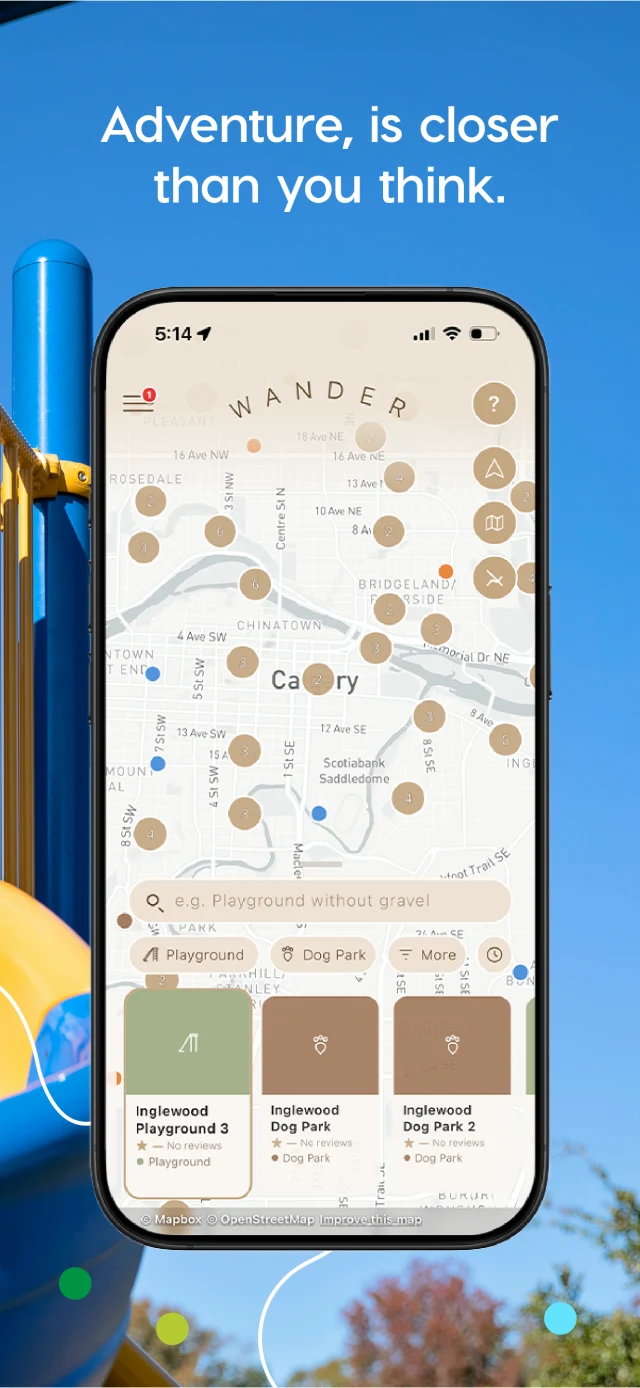
Thirty-seven screens. Interactive vector maps with light, dark and satellite modes, plus offline caching so it keeps working without signal. Real-time messaging and social features over WebSockets. A natural-language search that understands plain-English requests, including what to leave out, using language models and vector search. An augmented-reality feature that anchors virtual objects in the camera view using the phone’s motion sensors. Behind it, a Node and PostgreSQL backend with authentication, image processing, and crash and error monitoring wired into the live app.
What We Built
- True cross-platform: one codebase, native apps for iPhone and Android
- Native device features: location, camera, contacts, sensors, push notifications, offline mode
- Maps and location: interactive vector maps, directions and offline caching
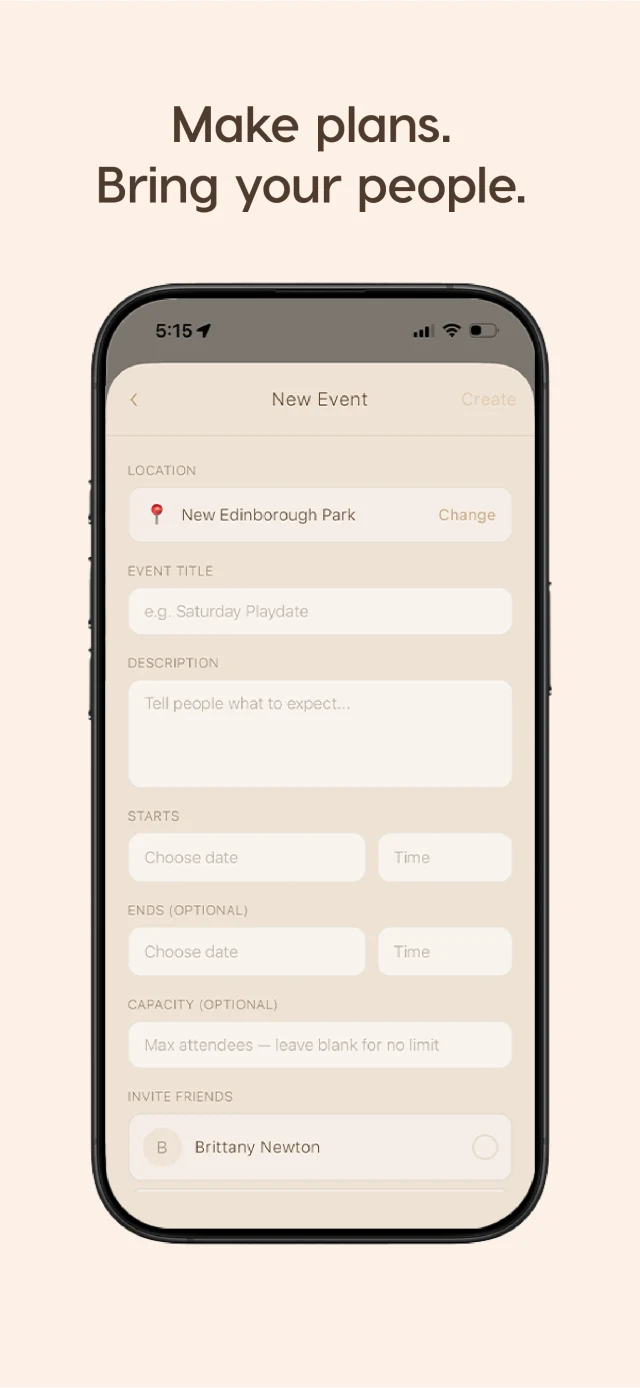
- Real-time: live messaging and social features over WebSockets
- AI features: natural-language search powered by language models and vector search
- Augmented reality: camera and motion-sensor driven
- Full backend: Node, PostgreSQL, authentication and image processing
- Production operations: crash monitoring, analytics and over-the-air updates
- App Store delivery: submission, privacy declarations, review and ongoing releases
What This Demonstrates
We can build, ship and maintain a real mobile product on both platforms: App Store submission, privacy compliance, crash monitoring and ongoing releases included.
We also own the release pipeline. Automated cloud builds go to TestFlight and the App Store, and over-the-air updates let us ship a fix to people in minutes without waiting on app store review. The same pipeline produces the Android release from the identical codebase.
Status
iPhone: live on the App Store. Android: built from the same codebase, with the Google Play listing in progress.
A Look Inside The App
Wander On iPhone
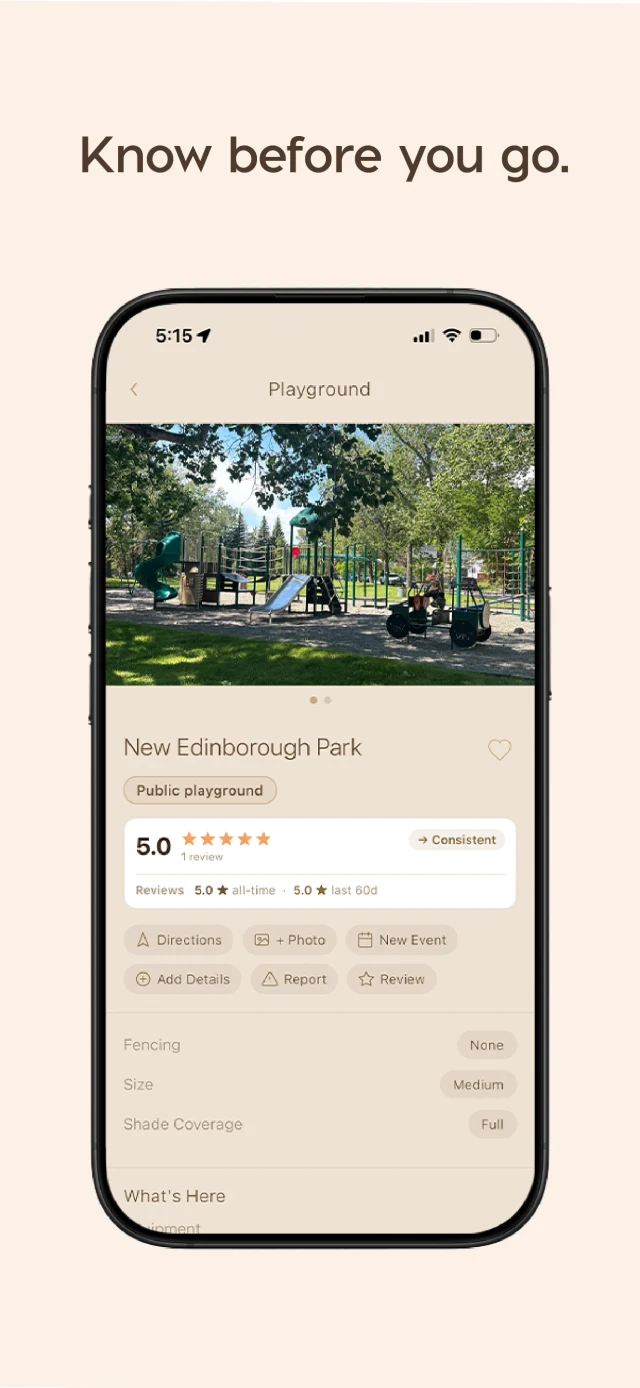
Maps, place details and plans to share, from the live App Store release.
Most Of Our Work Doesn't
Have A Public Face
Internal systems, back-office integrations and AI tooling for operations teams. If you'd like to hear about work relevant to your situation, ask.
Ask About Relevant Work